Whiskers and Wellness: What Cat Owners Need to Know Before Trying CBD

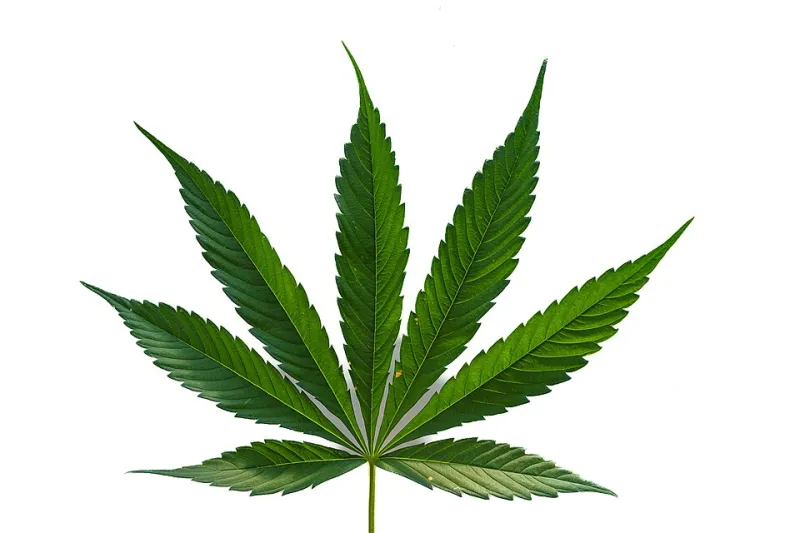
Photo: Alexkom000, CC BY 4.0, via Wikimedia Commons
The dog aisle got all the attention
Hemp-derived pet products have spent years orbiting dogs. Calming chews, joint balms, and peanut-butter-flavored tinctures are practically a cottage industry. Cat owners have watched from the sidelines, curious but rightly cautious. Cats are not tiny dogs in fuzzy packaging. They metabolize many compounds differently, and their safety margin for supplements is often narrower than people assume.
That does not mean every CBD conversation about cats is doomed. It means the conversation needs to start with a veterinarian, not a checkout page. CBD is not FDA-approved for treating pain, anxiety, seizures, or anything else in cats. The research is limited, dosing is not standardized, and the pet supplement market is not a tidy pharmacy shelf.
Why the half-dog-dose rule fails
You have probably seen the advice: take the dog dose and cut it in half. Please do not. Cats are not proportional versions of dogs. They have different liver enzyme activity, different body composition, and different sensitivities to compounds in general. A dose that seems mild for a Labrador can be a lot for a ten-pound cat. The fact that a product is sold for pets does not make it automatically appropriate for every species.
Cats are also famously good at hiding discomfort and famously bad at telling you when something feels wrong. That makes a casual experiment with an unregulated product a poor idea. If your cat is vomiting, lethargic, wobbly, or breathing oddly after any supplement, that is a call to your vet or an emergency clinic, not a wait-and-see situation.
Start with the vet, not the tincture
Before you buy anything, describe the behavior or symptom you are trying to address. Is your cat pacing at night? Spraying? Struggling on the stairs? Hiding? Appetite changes and litter box changes can point to medical issues that CBD will not fix. A vet can rule out dental pain, arthritis, hyperthyroidism, urinary blockages, and other problems that need actual treatment.
If your vet is open to discussing hemp-derived products, ask specific questions. What dose range is considered safe for your cat's weight and health history? Are there interactions with any medication your cat already takes? Is a carrier oil like MCT or a flavoring like bacon or salmon a problem for this particular cat? What signs should make you stop and call? Get the answers in writing if you can. A calm conversation beats a frantic midnight search.
Read the label like a skeptic
Pet CBD labels can be vague in ways that would make a human supplement aisle blush. Look for the total CBD per bottle and the CBD per serving. Check the serving size in milliliters or milligrams, not just a dropper icon. Find a batch number and a third-party lab report. The report should test for cannabinoid content and, ideally, contaminants like heavy metals, pesticides, and mold.
Watch for THC. Hemp-derived products can contain trace amounts, and cats may be more sensitive to THC than dogs. A product that markets a full-spectrum buzz to humans is not a casual feline supplement. Avoid anything with added essential oils, xylitol, caffeine, alcohol, or vague herbal blends. Cats are not tiny humans with whiskers. Their bodies handle plenty of compounds differently.
Also beware of treats with long ingredient lists. A calming chew can contain melatonin, valerian root, chamomile, and other ingredients that are not automatically safe for cats. If the label cannot explain what is in the product and why, put it back.
What about topicals and treats?
Topicals for cats sound simple, but they are not risk-free. Cats groom themselves constantly, which means anything you put on their fur or skin can end up in their mouth. A balm that is fine for a dog's elbow may be licked off by a cat within minutes. If you use any topical near a cat, ask your vet first and keep the cat from grooming the area until it is dry or covered as directed.
Treats are easier to administer but harder to dose precisely. A chewy with a broad milligram range per treat is not a great fit for a small animal. If the label says one treat contains up to 5 mg of CBD, that range is doing a lot of work. You want consistency, not a surprise.
The bottom line for feline fans
CBD is not a first-line solution for cat anxiety, pain, or aging. It is an experimental option that belongs inside a veterinary relationship, with a product that has transparent testing and a dose your vet helped you choose. Even then, watch closely. Cats are individuals, and their response to any supplement can be unpredictable.
At Fleex CBD, our focus is human hemp wellness, so this guide is about asking better questions rather than selling you a pet product. If your cat is struggling, the kindest move is not a dropper full of hope. It is a vet visit, a clear label, and a healthy respect for how differently cats process the world.