Before You Add CBD to Your Medicine Cabinet: A Blood Thinner Conversation Worth Having
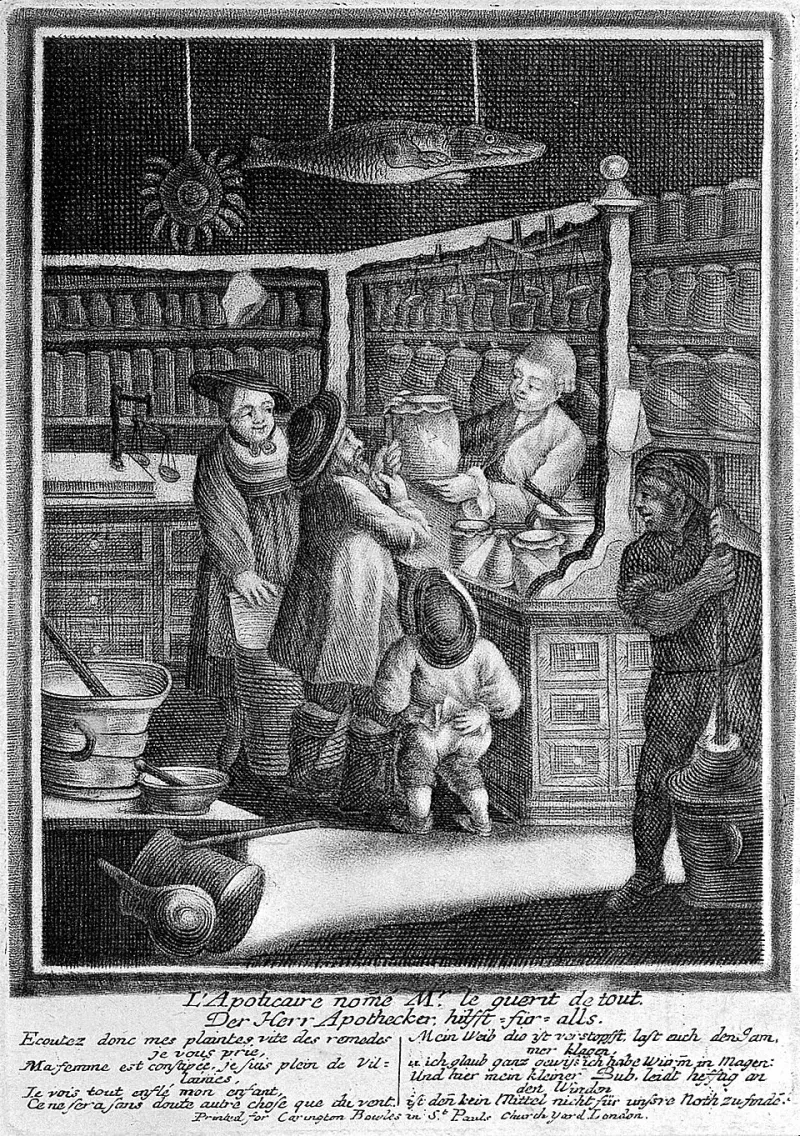
Photo: Unknown, CC BY 4.0, via Wikimedia Commons
Here's a scene that plays out in kitchens across the country. Someone opens a new bottle of CBD oil, reads the label front to back, and finds dosage instructions, a hemp-derived disclaimer, a QR code, and an FDA statement about not evaluating claims. What they don't find is a single word about the blood thinner they take every morning at seven.
That silence isn't an accident, and it isn't a green light either. It's a gap — and the person best positioned to fill it is standing behind a pharmacy counter.
Why the label stays quiet
CBD products sold as dietary supplements aren't required to publish drug interaction data, and in most cases nobody has funded the studies that would generate it. Beyond that, there's a structural incentive to stay vague: cannabis and hemp products occupy a strange regulatory middle ground, and brands tend to avoid language that sounds medical. A warning about anticoagulants reads like a drug claim. So the label says nothing, and the buyer reads nothing into it.
That's a bad system for a question this specific. It also means the label's silence says exactly zero about safety.
What we know about CBD and anticoagulants
The honest summary is: enough to warrant caution, not enough for anyone to hand you a neat answer.
Warfarin (Coumadin, Jantoven) is the medication that gets the most attention here, and for good reason. It has a narrow therapeutic window and is monitored with regular INR blood tests. CBD is metabolized in the liver through some of the same enzyme pathways that warfarin relies on, and there's evidence from pharmacology and case reports suggesting CBD could shift warfarin's effect. In practical terms, that means a dose that was stable last month might not be stable this month — which is exactly the scenario INR monitoring exists to catch.
Direct oral anticoagulants like apixaban (Eliquis) and rivaroxaban (Xarelto) travel through overlapping liver and transport pathways too, which raises the theoretical possibility that CBD could change how much of the drug stays in circulation. Theoretical is the operative word. There isn't much human data.
Antiplatelet medications — daily aspirin, clopidogrel (Plavix) — work differently, but the general concern is additive: anything that affects clotting alongside something that thins blood deserves a conversation.
And it isn't only anticoagulants. CBD interacts with enzyme pathways that handle seizure medications, some immunosuppressants, certain antidepressants, and thyroid medication, among others. Sedatives and alcohol belong in that conversation too.
None of this means CBD is dangerous for every person on every medication. It means "I take a blood thinner" is a genuinely different starting point than "I don't."
Natural is not a safety category
The phrase "plant-based" gets used like a synonym for gentle. It isn't. Grapefruit juice — arguably the most natural thing in the produce aisle — famously changes how the body processes dozens of drugs. St. John's wort, ginkgo, and garlic supplements all have documented interactions. A compound being botanical tells you where it came from, not what it does once it's in your bloodstream.
Hemp-derived cannabinoids are pharmacologically active. That's the entire reason people buy them. It's also the reason they deserve the same scrutiny as anything else in your pill organizer.
Five things to ask your pharmacist
You don't need a research background to have this conversation. You need a list of your medications, the actual product, and these questions:
- Is there a known interaction between CBD and anything I take? Name each medication. If you're on warfarin, ask specifically whether this warrants more frequent INR checks.
- What would a problem look like? Unusual bruising, nosebleeds that take a while to stop, gum bleeding when you brush, dark or bloody stools, blood in urine, a headache that won't quit, unexplained dizziness. Write the list down so you recognize it if it happens.
- Should my monitoring change? If you're on a drug with routine blood work, ask whether starting CBD should trigger an extra check, and when.
- Does timing or dose change the risk? The honest answer is often that we don't have precise thresholds — but spacing a dose away from a medication doesn't reliably solve an interaction that happens in the liver, and it's worth hearing that from a professional rather than a comment thread.
- What's the lowest-risk path? Sometimes the answer is "skip it," sometimes it's "start very low and tell me in two weeks." Either way, you leave with a plan instead of a guess.
Bring the bottle, not the word
"I'm taking CBD" is too vague for anyone to evaluate. Bring the actual label or a photo of it. Your clinician needs to see the cannabinoid content, the serving size, the listed ingredients, and ideally the batch lab report — because a full-spectrum tincture carrying trace THC and a purified isolate are not the same input.
A few practical guardrails
- Never stop or adjust a prescribed medication on your own to make room for a supplement.
- Start low and keep notes. Dates, amounts, and anything that felt off. Patterns are what a clinician can work with.
- Disclose it before procedures. Surgeries and dental work are exactly the moment when clotting matters and nobody needs a surprise.
- Tell whoever prescribes your anticoagulant, even if the conversation is brief. Silence is the only genuinely bad option.
The bottom line
CBD product labels are not going to warn you about blood thinners, and waiting for them to start is not a strategy. If you're on an anticoagulant — or any daily prescription, honestly — a fifteen-minute conversation with your pharmacist is the highest-value step in the entire buying process. It costs nothing, it's covered by most insurance, and it turns a label's silence into an actual answer.
This article is general information, not medical advice. Talk to your doctor or pharmacist about your specific medications before adding any hemp-derived product to your routine.