Your Brain at 2 AM: What CBD Is Actually Doing While You Sleep

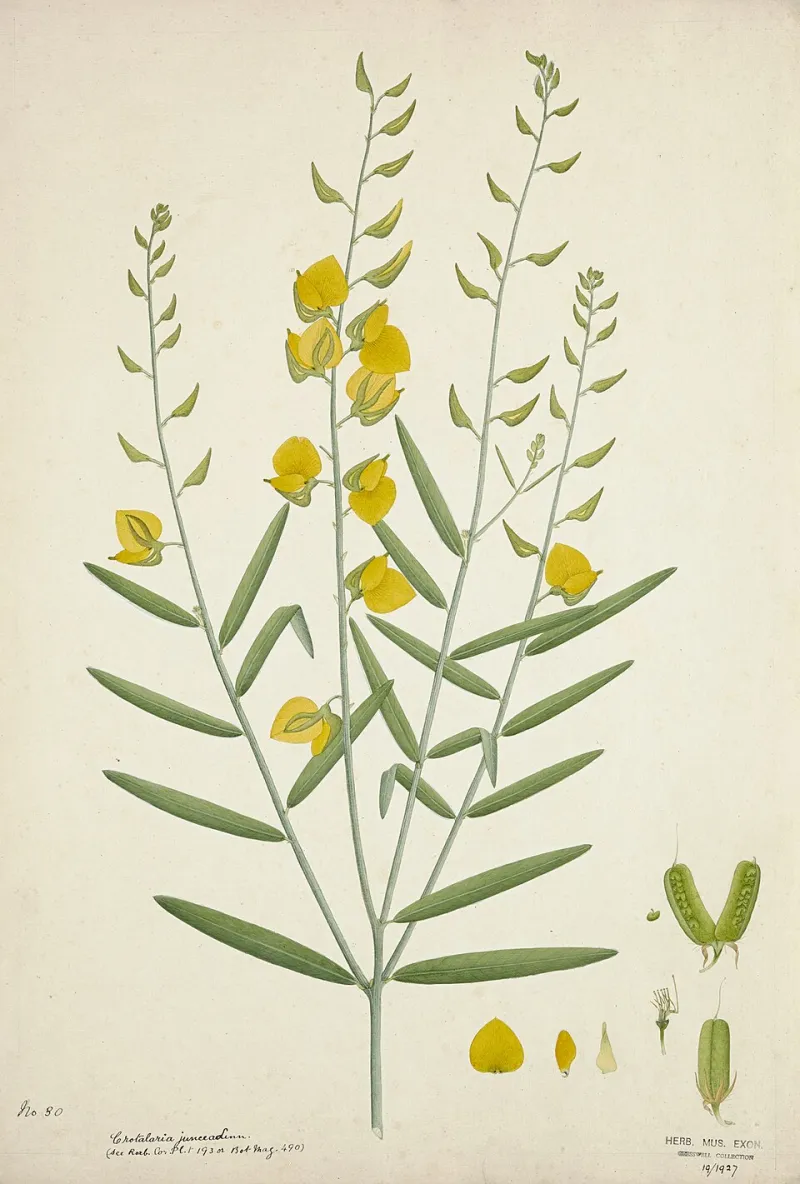
Photo: YOJNIRS EEJRENAB, CC BY-SA 4.0, via Wikimedia Commons
Let's be honest: the sleep supplement market is a minefield. Melatonin gummies, magnesium sprays, ashwagandha tinctures, weighted blankets — Americans spend over $52 billion a year on sleep-related products, and yet roughly one in three adults in the US still isn't getting the recommended seven or more hours per night, according to the CDC.
CBD has carved out a prominent spot in this crowded space. Walk into any wellness shop from Portland to Miami and you'll find shelves lined with "sleep support" CBD products — tinctures, softgels, gummies, you name it. The marketing language is warm and reassuring: drift off naturally, wake up refreshed, reclaim your rest.
But what's actually happening when you take CBD before bed? Does it interact with your sleep in meaningful ways, or is it mostly a very expensive placebo with good branding? The answer, as with most things in the hemp world, is more nuanced than either the enthusiasts or the skeptics would have you believe.
A Quick Primer on Sleep Architecture
Before we get into CBD specifically, it helps to understand what healthy sleep actually looks like — because not all sleep is created equal.
A typical night cycles through several stages: light sleep (N1 and N2), deep slow-wave sleep (N3), and REM (rapid eye movement) sleep. Each stage serves a distinct purpose. Deep sleep is where physical restoration happens — tissue repair, immune function, growth hormone release. REM sleep is where your brain consolidates memories, processes emotions, and essentially takes out the mental trash.
Disrupting this architecture — even if you're technically unconscious for eight hours — can leave you feeling exhausted, foggy, and emotionally off-kilter. This is why sleep quality matters just as much as sleep quantity. And it's exactly why researchers studying CBD and sleep are paying close attention to stage-specific effects, not just total sleep time.
How CBD Interacts With Your Sleep Biology
CBD doesn't work like traditional sleep aids. It's not a sedative in the way that Benadryl or prescription sleep medications are. It doesn't force your brain into unconsciousness. Instead, it appears to work more indirectly — addressing some of the underlying conditions that make it hard to fall or stay asleep in the first place.
Here's what the current research suggests:
Anxiety and stress reduction. One of the most well-documented effects of CBD is its influence on anxiety pathways. A widely cited 2019 study published in The Permanente Journal found that 79% of participants reported lower anxiety scores within the first month of CBD use, and 67% reported improved sleep scores in that same period. The connection makes sense: anxiety is one of the leading causes of sleep disruption in American adults. If CBD helps quiet a racing mind, better sleep can follow naturally.
Cortisol modulation. Some research points to CBD's potential role in reducing cortisol levels — the stress hormone that, when elevated at night, can keep you wired when you should be winding down. A 2019 study in Neuropsychopharmacology found that CBD affected cortisol secretion, suggesting a possible mechanism for its calming effects.
REM sleep behavior. This is where it gets interesting. Preliminary research, including a small study on patients with Parkinson's disease, found that CBD appeared to reduce REM sleep behavior disorder — a condition where people physically act out their dreams. While this research is early and specific, it hints at CBD having a real, measurable effect on REM architecture.
Pain and discomfort. For the millions of Americans who struggle to sleep because of chronic pain or physical tension, CBD's anti-inflammatory and analgesic properties may offer indirect sleep support by making it simply more comfortable to lie still and rest.
Real People, Real Nights
Beyond clinical data, there are countless personal accounts from people who've integrated CBD into their nighttime routines — and their experiences offer useful texture.
Take Sarah, a 34-year-old marketing manager in Chicago who describes herself as a "chronic overthinker." She started taking a 15 mg CBD tincture about 45 minutes before bed after struggling with sleep for years. "I didn't knock out immediately or anything dramatic like that," she says. "But I noticed I wasn't lying there cataloging everything I forgot to do. My brain just... quieted down enough to let me drift off."
Then there's Marcus, a 52-year-old contractor in Phoenix dealing with joint pain that regularly woke him at 3 AM. He tried a full-spectrum CBD softgel and found that while it didn't eliminate his discomfort, it "took the edge off enough" that he could fall back asleep more easily when he woke during the night.
Not every story is a success, of course. Some users report no noticeable difference. Others find that higher doses actually make them feel more alert — a known phenomenon tied to CBD's biphasic nature. Which is a good reminder that individual biology plays a massive role here.
What Sleep Specialists Are Saying
Sleep medicine professionals tend to approach CBD with cautious optimism. Dr. Michael Breus, a clinical psychologist and sleep specialist often referred to as "The Sleep Doctor," has noted publicly that while the research is still developing, the anxiety-reduction pathway offers a plausible mechanism for CBD's sleep benefits. His general position: it may help certain people, particularly those whose sleep problems are rooted in stress or anxiety, but it's not a universal fix.
The consensus among most sleep researchers is that CBD is unlikely to cause sleep the way a sedative would, but it may create better conditions for sleep by addressing common barriers. That's a meaningful distinction.
Practical Tips for Trying CBD for Sleep
If you're considering adding CBD to your nighttime routine, here are a few grounded guidelines:
-
Timing matters. Most people find that taking CBD 30–60 minutes before bed gives it time to reach peak effect. Experiment with your personal timing window.
-
Start with a moderate dose. For sleep specifically, many users find success in the 15–25 mg range, though this varies widely. Don't assume more is better — some people experience increased alertness at very high doses.
-
Full-spectrum may have an edge. Some researchers believe the "entourage effect" — where multiple hemp compounds work together — may enhance CBD's overall effectiveness. Full-spectrum products include trace amounts of other cannabinoids and terpenes alongside CBD.
-
Pair it with good sleep hygiene. CBD isn't a substitute for a consistent sleep schedule, a cool dark room, and limiting screen time before bed. Think of it as a potential complement to good habits, not a replacement for them.
-
Give it a few weeks. Like most wellness supplements, CBD often takes consistent use over time to reveal its full effect. Don't write it off after one or two nights.
The Bottom Line
CBD isn't a magic sleep pill — and any brand telling you otherwise is overselling. But the emerging science, combined with a growing body of real-world experience, suggests it can genuinely support better rest for certain people in certain circumstances. The key is going in with realistic expectations, a willingness to experiment thoughtfully, and an understanding that quality sleep is a complex puzzle with many pieces.
For some of us, CBD might just be the piece that was missing.
This article is for informational purposes only and does not constitute medical advice. If you have a diagnosed sleep disorder, please consult a qualified healthcare provider before using CBD or any other supplement.