Grandma Bought CBD First: The Generation Quietly Out-Wellnessing Everyone
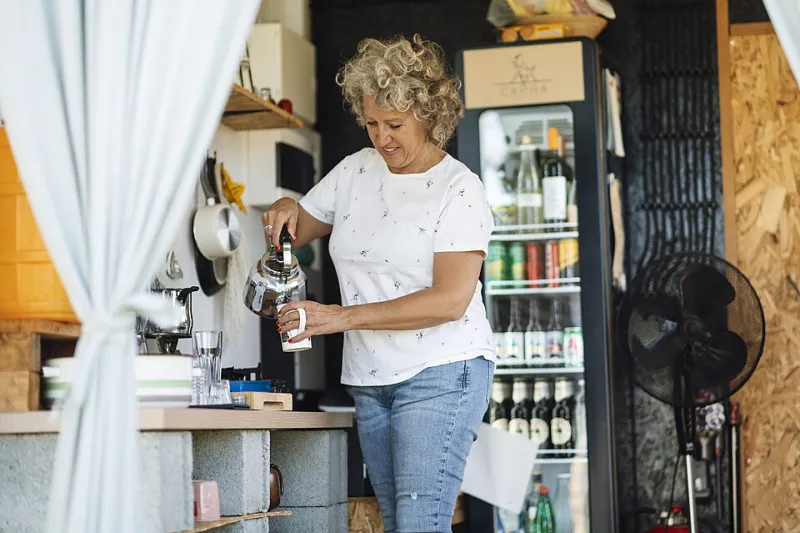
Photo: Shixart1985, CC BY 2.0, via Wikimedia Commons
Here's an irony the CBD industry hasn't figured out how to market around: the products are sold with neon colors, influencer unboxings, and festival sponsorships aimed squarely at Gen Z and millennials—but the customers who buy the most, stick with it longest, and swear by it hardest are old enough to be those influencers' grandparents.
Walk into any senior center in Florida or a church basement in Ohio and ask around. You'll find arthritis sufferers using CBD balms, insomniacs swapping sleeping pills for gummies, and retirees who've quietly halved their ibuprofen intake. The fastest-growing front in hemp wellness isn't on TikTok. It's in Grandma's medicine cabinet.
Why Seniors Are All In
It makes sense when you think about it. Older adults carry the heaviest load of chronic aches, stiff joints, and disrupted sleep—the exact complaints CBD is most commonly used for. They also carry the heaviest load of prescriptions, each with its own side effects and interactions, which makes a plant-derived alternative genuinely appealing.
There's also a generational twist: today's 60- and 70-year-olds came of age during a very different moment in cannabis history. Many watched it go from forbidden to federally legal hemp in a single lifetime. For some, trying CBD carries less rebellion than their kids assume—it carries pragmatism. They've spent decades managing pain with medications that wrecked their stomachs or fogged their minds. A hemp tincture doesn't have to be perfect. It just has to be better.
The Stigma Is Melting—From the Top Down
For years, the assumption was that older Americans would be the last to embrace anything cannabis-adjacent. The opposite has happened. As one retiree in a Sun Belt retirement community put it to a local reporter, "I don't care what the neighbors think. I care that I slept through the night."
That shift is self-reinforcing. When one member of a bridge club starts sleeping better, word travels. Seniors are famously loyal customers—once a product works, they reorder for years. Compare that with younger buyers who drift between trends, and it's no wonder retention numbers for CBD skew gray-haired.
The Part That Genuinely Worries Me
Now for the opinion part, and I'll plant my flag: the industry's neglect of this demographic isn't just a marketing miss—it's a safety problem.
CBD is metabolized by the same liver enzymes that process a long list of common medications, and seniors are the demographic most likely to be taking those medications: blood thinners like warfarin, thyroid meds, statins, blood pressure drugs. A meaningful interaction with warfarin isn't a theoretical edge case—it's a real risk that deserves real attention.
Yet most CBD marketing aimed at seniors is either nonexistent or patronizing. Meanwhile, the warnings live in fine print nobody reads. Every senior considering CBD should have a conversation with their doctor or pharmacist—not because CBD is dangerous, but because their medication list is complicated and their doctor can't flag interactions if they don't know about the gummies.
If You're Buying for a Parent (or Yourself)
A few ground rules worth writing on the fridge:
- Talk to the pharmacist first. They know the full med list and the interaction risks better than anyone.
- Start with a low dose—10–25 mg daily—and adjust slowly over weeks, not days.
- Demand a COA. Older consumers are the primary targets of scammy CBD products sold via phone solicitations and mailers. Third-party testing is non-negotiable.
- Watch for drowsiness and appetite changes, especially in the first two weeks.
Time for the Industry to Catch Up
The 25-year-old market is crowded, fickle, and increasingly skeptical of wellness hype. The 60-plus market is loyal, motivated, underserved, and—here's the kicker—growing fast. Brands that trade the neon packaging for clear labels, honest dosing guidance, and real drug-interaction transparency won't just capture the demographic that needs CBD most. They'll earn the trust the rest of the industry keeps leaving on the table.
Grandma was early. The industry just hasn't noticed yet.