That Bottle in Your Cabinet Has a Countdown Timer: How to Tell If Your CBD Oil Has Turned
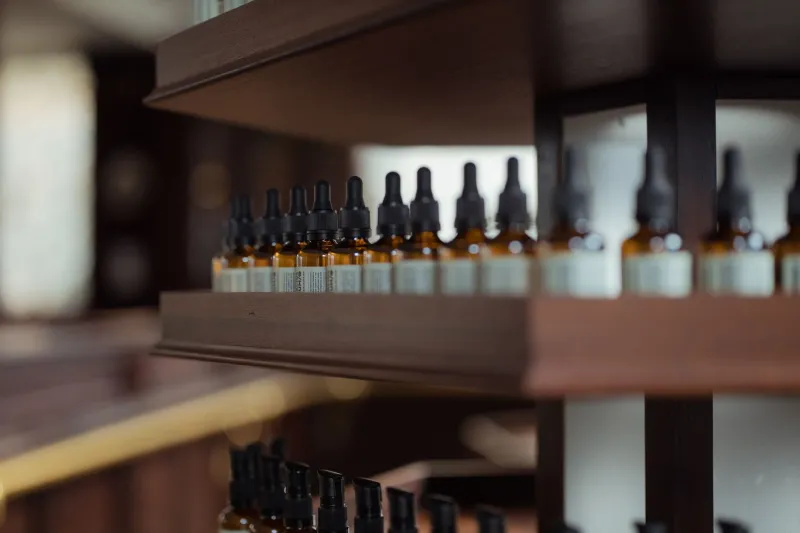
There's a moment most of us have had: you're cleaning out the medicine cabinet or the junk drawer, and there it is — a half-used bottle of CBD oil from who knows when. Maybe it was from that stressful stretch two winters ago. Maybe it was a gift. You squint at the label, wonder if it's still good, and then either take a dropperful anyway or toss it in the trash.
Both moves are guesses. Here's how to stop guessing.
Yes, CBD Expires. Here's Why.
CBD isn't a synthetic drug manufactured to be shelf-stable for a decade. It's a plant extract, suspended usually in MCT oil or hemp seed oil — both of which are fats. And fats, as anyone with an old bottle of olive oil knows, go rancid.
The technical villain here is oxidation. Over time, exposure to oxygen, light, and heat breaks down both the carrier oil and the cannabinoids themselves. CBD can degrade into other compounds, including THC and CBN in small amounts — one study found that improperly stored CBD products can convert a small percentage of their CBD into delta-9 THC over extended periods. We're not talking about enough to get you high, but it's one more reason an old bottle isn't doing what the label promises.
Most reputable CBD products carry a shelf life of roughly 12 to 24 months from manufacture, not from the day you opened it. That "best by" date on the bottom of the bottle? It's a real recommendation, not a legal formality.
The Smell Test (Yes, Really)
Your nose is a surprisingly reliable lab instrument. Fresh CBD oil should smell earthy, grassy, faintly herbal — some describe it as slightly funky in a pleasant, plant-like way. If your tincture smells like crayons, old nuts, or something you'd find behind a dive bar, the carrier oil has gone rancid.
Visual check comes next. Fresh oil is typically clear to golden amber. If yours has turned dark brown or murky, that's oxidation at work. A little cloudiness when the bottle's been in the fridge is normal — coconut-derived MCT oil solidifies in the cold. But if it stays cloudy and sludgy at room temperature, that's a different story.
Finally, taste. A tiny amount on your tongue should taste earthy and slightly bitter. A harsh, sour, or paint-like taste means it's done. Spit it out, rinse, and let the bottle rest in peace.
What Degraded CBD Actually Does in Your Body
Here's the good news: expired CBD oil is rarely dangerous in the way spoiled food is. Rancid oils aren't doing you any favors, but a single dropper of degraded tincture won't send you to urgent care.
The real cost is quieter. Oxidized cannabinoids lose potency — sometimes dramatically. That 1,500 mg bottle might be effectively delivering a fraction of its labeled strength. So you take your usual dose, feel nothing, and conclude that "CBD doesn't work for me." That's not a wellness failure; it's a supply chain problem. And if some CBD has converted to THC, you're getting a slightly different compound profile than what you paid for — worth caring about if you're ever drug tested or simply particular about what you put in your body.
Storage Habits That Actually Matter
The three enemies are light, heat, and air. Your counterattack:
- Keep it dark. That amber glass bottle isn't aesthetic — it's protective. Store it in a cabinet or drawer, not on a sunny windowsill in your kitchen.
- Keep it cool. Room temperature is fine; a hot bathroom or a car glovebox in an Arizona summer is not. The fridge works well and can extend life, though the oil may thicken.
- Keep it sealed. Every time you open the bottle, fresh oxygen rushes in. Close it tightly, and don't store it with the dropper loose on the counter.
- Mind the dropper. Touching the dropper to your mouth introduces bacteria and saliva into the bottle. Pour onto a spoon instead if you're sharing a bottle or being careful.
The Bottom Line
If that mystery bottle passes the smell, sight, and taste tests and it's within its dated window, it's probably fine — maybe slightly weaker, but fine. If it fails any of the three, let it go. CBD is affordable enough now that hanging onto a dead bottle to save twenty dollars isn't worth it.
And going forward? Buy the size you'll actually finish in a couple of months, store it like the plant extract it is, and maybe write the opening date on the label with a Sharpie. Your future self, squinting in the cabinet at midnight, will thank you.